Is Organic Dog Food Worth It: The Ultimate Guide
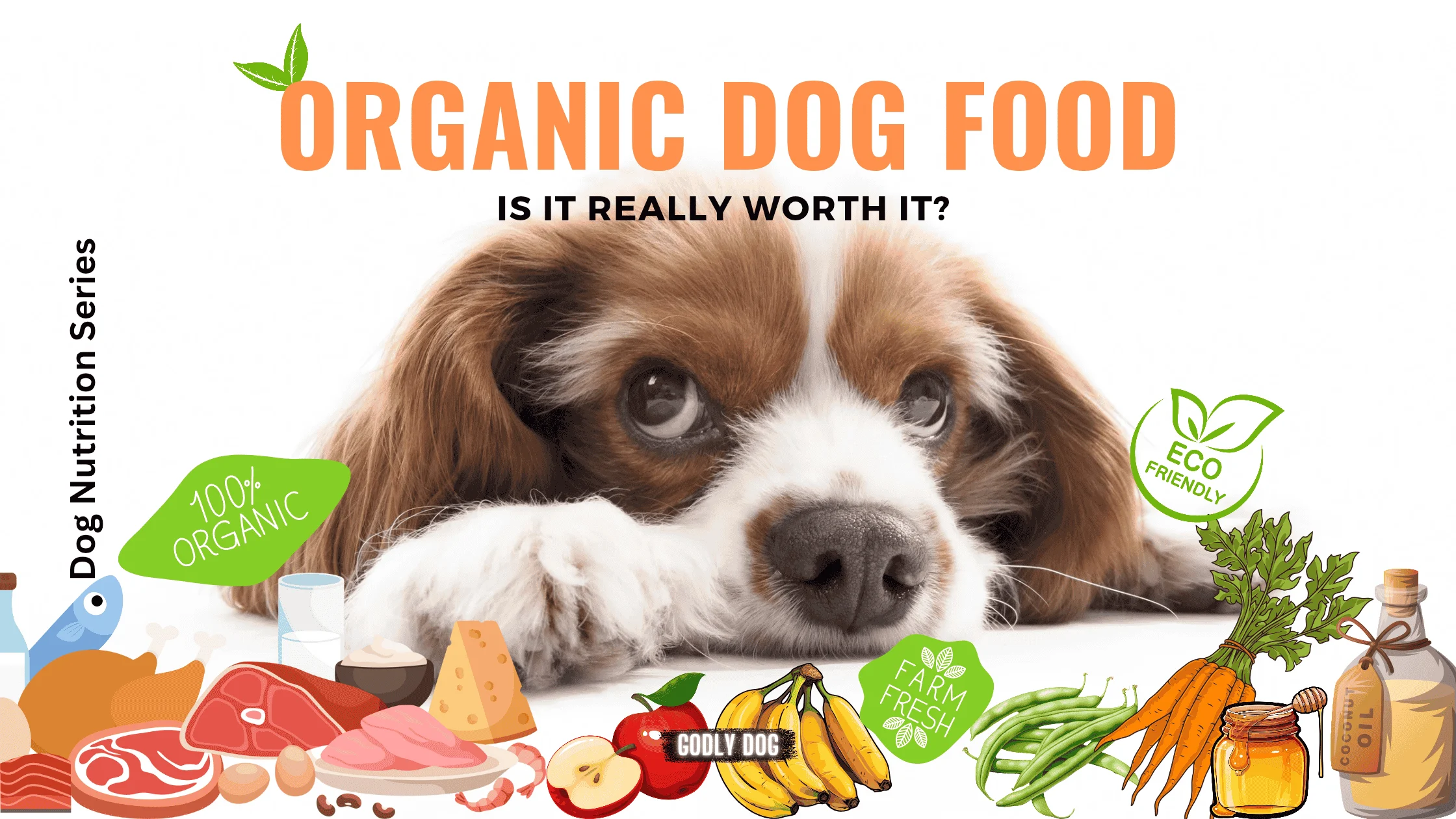
You love your dog. You’d probably share your last bite of toast, rearrange your sleep schedule for bathroom breaks, and yes, even Google suspicious things like “Is it bad if my dog ate a candy?” at 2 a.m. So when it comes to what goes into their bowl, it’s natural to want the best. Cue: organic dog food—the latest buzz in canine cuisine.
But before you spend extra bucks on a bag labeled “organic,” let’s chew over the facts. What exactly is organic dog food? Does it make a difference to your dog’s health? Or is it just another marketing bone being tossed your way?
In this blog, we’re diving nose-first into:
- 🔸 What organic dog food really means
- 🔸 The nutritional pros and potential cons
- 🔸 Ingredient decoding (because label lingo is a language of its own)
- 🔸 Transition tips (spoiler: no cold turkey)
- 🔸 Common questions dog parents ask when considering the switch
- 🔸 And much more!
Whether you’re dealing with a picky eater, a pup with allergies, or just exploring healthier food options, you’re in the right place. Let’s start with the big one:
What Is Organic Dog Food, Really?
“Organic” sounds healthy, responsible, and a bit expensive. But what does it actually mean when it’s stamped on your dog’s kibble?
Let’s decode it.
Organic dog food is made with ingredients that are grown or raised without synthetic pesticides, genetically modified organisms (GMOs), artificial fertilizers, antibiotics, or growth hormones. In other words, it’s food that’s as close to nature as your dog’s wild ancestors might recognize—minus the whole hunting and chasing bit.
In the U.S., the term “organic” is regulated. The USDA (United States Department of Agriculture) oversees organic labeling, and yes, they even have standards for pet food. When a dog food is labeled as “USDA Organic,” at least 95% of the ingredients must be organic.
If it says “Made with Organic Ingredients,” that means at least 70% of the content is organic. Anything less than that? It might still be healthy, but it’s not truly organic.
Organic vs. Natural vs. Regular Dog Food
These three often get tossed together like tennis balls, but they’re not the same:
- 🔸 Organic dog food is made from ingredients that meet strict growing and processing standards.
- 🔸 Natural dog food generally means no synthetic additives or preservatives—but the ingredients themselves might not be organic.
- 🔸 Regular dog food can include everything from high-quality protein to by-products and artificial fillers, depending on the brand and price point.
So yes, “natural” might sound nice, but it’s not the same as “organic.” One is marketing-friendly; the other is regulation-backed.
Can Organic Dog Food Help With Allergies and Sensitivities?

If your dog is scratching more than they’re wagging, or their tummy seems to treat every meal like a personal betrayal, food allergies or sensitivities could be the culprit. And yes—organic dog food might actually help.
But let’s set the record straight: organic isn’t a magical cure, but it can reduce exposure to some of the most common allergy triggers hiding in conventional dog food.
First, What’s Causing the Trouble?
The usual suspects in dog food allergies and intolerances include:
- 🔸 Low-quality proteins (often unnamed meat meals or by-products)
- 🔸 Artificial preservatives and flavorings
- 🔸 Corn, wheat, and soy (especially in excess)
- 🔸 Dairy and certain animal proteins (like beef or chicken, in rare cases)
Organic dog food—especially the more limited-ingredient kinds—tends to skip most of these. That means:
- 🔸 Fewer synthetic additives
- 🔸 Higher-quality, identifiable proteins
- 🔸 No GMOs, artificial preservatives, or surprise fillers
Real Benefits for Sensitive Pups
Here’s where organic dog food may shine for allergy-prone dogs:
- 🔸 Clearer ingredient labels make it easier to identify and eliminate triggers
- 🔸 Whole-food ingredients are easier to digest and less likely to cause reactions
- 🔸 Grain-free organic options exist (if your dog actually has a grain intolerance—not all do)
You may notice:
- 🔸 Less itching or paw chewing
- 🔸 Better skin condition
- 🔸 Fewer digestive issues (gas, bloating, diarrhea)
- 🔸 Improved stool consistency (again, poop matters)
But Don’t Skip the Vet
If your dog is showing signs of allergies—like constant scratching, ear infections, red skin, or recurring tummy problems—it’s a good idea to consult your vet or a canine nutritionist. They can help rule out medical conditions and guide you through an elimination diet if needed.
Bottom line? Organic food can help reduce allergic reactions by simplifying and cleaning up your dog’s diet. It’s not a guaranteed fix, but it can be a smart first step—especially if you’re trying to identify what’s bothering your dog.
Does Organic Always Mean Better?
Not always. Organic doesn’t guarantee nutritional superiority, but it does mean fewer chemical residues, more traceable ingredients, and often a gentler impact on the environment. For many pet parents, it’s about peace of mind—knowing what’s not in the food can matter just as much as what is.
And let’s be honest—if your dog could read labels, they’d probably still just eat whatever drops on the floor. But as their human, you’re the one making the call, and understanding the label is your first power move.
Is Organic Dog Food Actually Better for My Dog?

Let’s address the big question chewing at every dog parent’s mind: Is organic dog food really better, or just bougie kibble with a premium price tag?
Short answer? It can be better—depending on what you’re comparing it to and what your dog actually needs.
Let’s Talk Nutrients (Because That’s What It’s All About)
Organic dog food often contains higher-quality, whole ingredients. Think real chicken, sweet potatoes, brown rice, and carrots—without the mystery meat, fillers, or artificial colors that leave you scratching your head.
This means:
- 🔸 Better nutrient absorption (your dog actually uses what they eat)
- 🔸 Fewer irritants and allergens for sensitive pups
- 🔸 No unnecessary chemicals like synthetic preservatives or flavor enhancers
But here’s the catch: organic doesn’t always mean more protein, more vitamins, or a perfectly balanced diet. A non-organic food can still be complete and healthy if it’s formulated by a reputable company and meets AAFCO standards.
The Potential Benefits of Organic Dog Food
For many dog parents, switching to organic brings noticeable changes—especially for dogs with food sensitivities or chronic digestive issues.
Reported benefits include:
- 🔸 Shinier coat and healthier skin
- 🔸 Improved digestion and firmer stools (yes, we’re talking poop)
- 🔸 More stable energy levels
- 🔸 Fewer allergies or itching episodes
- 🔸 Reduced vet visits over time
Is every dog going to have a magical transformation? No. Some dogs will thrive on regular food. Others might do better on organic. Like people, dogs are individuals—and what works for one might not work for another.
How Do I Decide If I should Switch to Organic Dog Food?
Every dog is one of a kind (even if your pup sometimes acts like the family comedian). So, deciding whether to switch to organic food isn’t a one-size-fits-all deal.
Here’s how to figure out if organic dog food fits your dog’s lifestyle, health needs, and your priorities.
Consider Your Dog’s Health and History
- 🔸 Food allergies or sensitivities? Organic dog food can reduce exposure to common irritants and artificial ingredients.
- 🔸 Digestive issues? Higher-quality, whole-food ingredients may improve digestion and stool quality.
- 🔸 Skin problems or coat dullness? Better ingredients often mean healthier skin and shinier fur.
If your dog is thriving on their current diet—no itching, no upset stomach, good energy—there’s no urgent need to switch. But if you suspect diet is part of the problem, organic might be worth a shot.
Look at Your Budget and Lifestyle
- 🔸 Can you comfortably afford organic dog food without sacrificing other essentials like vet care or exercise?
- 🔸 Are you willing to spend a little extra time reading labels and experimenting to find the best fit?
- 🔸 Is sustainability or ethical sourcing important to you? That can tip the scales toward organic.
Pay Attention to Your Dog’s Preferences
Dogs can be picky. If your dog flat-out refuses organic food, don’t force it. Sometimes, gradual transitions or mixing with their favorite food helps, but forcing it can cause stress or weight loss.
Try It and Track Changes
Sometimes, the best way to know is to try. Switch gradually, and track changes over a few weeks for:
- 🔸 Digestion and stool quality
- 🔸 Energy levels
- 🔸 Coat condition
- 🔸 Overall mood and behavior
If you see positive changes, great! If not, you’ve at least ruled out one factor.
How Much Does Organic Dog Food Cost (And Is It Worth It)?

Let’s not pretend: organic dog food can cost more. Sometimes a lot more. And unless you have a money tree growing in the backyard (if you do—please water it for the rest of us), you’re probably wondering if the price tag is actually justified.
Spoiler alert: It can be—but let’s break it down.
What’s the Price Difference?
On average, organic dog food costs 20%–50% more than standard kibble or canned food. The exact price jump depends on:
- 🔸 The quality and source of ingredients
- 🔸 The protein type (salmon and lamb tend to cost more than chicken)
- 🔸 Whether it’s dry food, wet food, or freeze-dried raw
- 🔸 The brand’s marketing budget (yep, that plays a role too)
For a medium-sized dog, you might spend an extra $20–$40 per month on organic food compared to conventional premium brands.
Why the Extra Cost?
Think of it like grocery shopping for yourself:
- 🔸 Organic produce costs more because it’s grown without synthetic pesticides or fertilizers
- 🔸 Ethically sourced meat is pricier because the animals aren’t pumped with growth hormones or antibiotics
- 🔸 Smaller, high-quality batches mean more oversight and higher production costs
When companies invest in quality control, certification, and ethical sourcing, the cost trickles down into your shopping cart. Annoying? Yes. Understandable? Also yes.
Is It Worth It?
Here’s where it gets personal—because the value depends on your dog and your goals.
Organic dog food might be worth it if:
- 🔸 Your dog has allergies or food sensitivities
- 🔸 You want to avoid chemical residues or artificial additives
- 🔸 You value sustainable, ethical sourcing
- 🔸 You’re already spending on vet visits for diet-related issues
It might not be necessary if:
- 🔸 Your dog thrives on their current food with no issues
- 🔸 You’re buying “organic” that’s mostly label fluff without real benefits
- 🔸 The price is stretching your budget to the point that other essentials (like vet care or exercise) take a hit
Also, you don’t need to go 100% organic to make improvements. Even gradually upgrading ingredients or mixing in organic toppers can make a noticeable difference without breaking the bank.
How to Choose a Legit Organic Dog Food Brand?
Here’s the deal: slapping “organic” or “natural” on a label is easy. Making a truly organic dog food? That’s a whole different game. And unfortunately, not every bag that looks healthy actually is.
So how do you sniff out the real deal from the kibble con artists?
Look for the USDA Organic Seal
If it doesn’t have the official USDA Organic seal, it’s not fully organic—period.
Here’s what the different claims mean:
- 🔸 “100% Organic” = Every ingredient is certified organic.
- 🔸 “Organic” = At least 95% of the ingredients are organic.
- 🔸 “Made with Organic Ingredients” = 70% or more are organic. The rest? Could be conventional.
Anything below 70%? The label can’t even say “organic” on the front.
Scan the Ingredient List (Not Just the Front Label)
Marketing loves to shout “organic chicken” in bold letters—but if that chicken is listed below corn gluten, soybean meal, and “natural flavors,” it’s not doing much.
The first five ingredients tell you what your dog is really eating. If they’re whole, recognizable, and organic—great. If not? It’s mostly clever packaging.
What Ingredients Should You Look For (or Avoid)?
Reading a dog food label shouldn’t require a degree in chemistry or a magnifying glass. But sometimes? It feels like it does.
Here’s how to cut through the noise and sniff out what really matters in organic dog food.
Ingredients to Look For in Organic Dog Food
These are the good guys—the wholesome, pronounceable ingredients that deserve a spot in your dog’s bowl:
- 🔸 Named animal proteins (like chicken, beef, turkey, or salmon): If it just says “meat meal” or “animal by-products,” run.
- 🔸 Whole grains (like brown rice, oats, or barley): Great for fiber, unless your dog has a grain allergy.
- 🔸 Vegetables and fruits (like carrots, sweet potatoes, blueberries, or spinach): Natural sources of vitamins, antioxidants, and fiber.
- 🔸 Healthy fats (like flaxseed or fish oil): Great for skin, coat, and overall health.
- 🔸 Probiotics and prebiotics: For digestion and gut health—especially useful if your dog’s stomach throws tantrums over the smallest change.
Look for these at the top of the ingredient list, since ingredients are listed by weight. Chicken as the 12th ingredient? That’s a marketing trick, not a protein boost.
Ingredients to Avoid (Yes, Even in Some “Organic” Foods)
Even some so-called healthy or “natural” foods sneak in the nasties. Watch out for:
- 🔸 Artificial preservatives (like BHA, BHT, ethoxyquin): These extend shelf life but have questionable health effects.
- 🔸 Artificial colors and flavors: Your dog doesn’t care if their food is dyed orange. Trust us.
- 🔸 Unspecified meat meals or by-products: “Meat meal” could mean anything. You don’t want to guess.
- 🔸 Added sugars or sweeteners: Dogs don’t need them, and they’re often hidden as cane molasses or corn syrup.
- 🔸 Excessive fillers (like corn, soy, or wheat gluten): Not inherently evil, but used in excess they bulk up food without offering much nutritional value.
Bonus Tip: Know the First Five Ingredients
These make up the majority of the food’s composition. If the first five don’t look like something you’d feel good about feeding your dog, move along.
Beware of “Greenwashed” Terms
Phrases like:
- 🔸 “All-natural”
- 🔸 “Farm-raised”
- 🔸 “Wholesome goodness”
- 🔸 “Holistic”
…sound nice but mean nothing unless backed by real ingredient quality or certification. They’re not regulated and are often used to make low-quality food sound premium.
Research the Manufacturer
If a brand isn’t transparent about where they source their ingredients, how they process their food, or who formulates their recipes—take a pass. Legit companies are proud to show off their standards and processes.
Check for Third-Party Testing
Some high-quality brands go the extra mile with third-party testing for contaminants, nutritional balance, and ingredient verification. It’s not mandatory, but it’s a good sign they care about more than just looking good on a shelf.
How Do I Switch to Organic Dog Food Without Upsetting My Dog’s Stomach?

So you’ve done the research, checked the ingredients, and you’re ready to go organic. But hold on—don’t just dump the new food into your dog’s bowl and call it a day. Dogs, much like people, don’t appreciate sudden changes to their dinner plans.
Here’s how to make the switch without triggering tummy trouble—or a dramatic protest from your dog.
Step-by-Step: The Transition Timeline
1. Start Slow
Begin by mixing about 25% organic food with 75% of their current food. Do this for 2–3 days and watch for any signs of stomach upset (loose stools, gas, lack of appetite).
2. Gradually Increase
Move to a 50/50 mix for another couple of days. If your dog’s doing fine, go up to 75% organic / 25% old food, and finally to 100% organic over the course of 7–10 days.
3. Observe Closely
Keep an eye on your dog’s poop (yes, really). It’s one of the clearest signs of how well they’re adjusting. Look for consistency, regularity, and any sudden changes.
4. Be Flexible
If your dog shows signs of discomfort, slow down the transition. There’s no gold medal for rushing this process.
Pro Tip: Stick to One Change at a Time
Avoid introducing new treats, supplements, or table scraps during the transition. That way, if something goes wrong, you’re not playing a guessing game with the culprit.
What If My Dog Refuses the New Food?
Some dogs are suspicious of anything new in their bowl—especially if it smells different. Here’s how to win them over:
- 🔸 Warm it slightly to release aromas (especially helpful with wet food)
- 🔸 Add a splash of warm water or low-sodium broth
- 🔸 Use it as a treat at first, mixing with familiar favorites
And if your dog is really digging in their heels? You might need to test another protein base or formulation. Just like us, dogs have preferences. One organic blend might be a hit while another a hard pass.
Organic Dog Food FAQs
1. Do dogs really need organic food if they’re natural carnivores?
While dogs are descended from wolves and do love meat, they’ve adapted to digest a variety of foods. Organic dog food isn’t just about meat—it reduces exposure to pesticides, additives, and artificial ingredients, which benefits overall health regardless of diet type.
2. Can puppies eat organic dog food?
Absolutely. Just be sure to choose an organic formula designed for puppies, which provides the right nutrients for growth and development.
3. Is organic dog food 100% chemical-free?
No. Organic standards limit synthetic chemicals, but they don’t eliminate all chemical exposure. Some natural and approved substances are still used in organic farming practices. The key benefit is reduced exposure to harmful or artificial compounds.
4. Does organic mean grain-free and low-carb?
Not necessarily. “Organic” refers to how ingredients are grown or raised—not whether they include grains or how many carbs they contain. Many organic dog foods include wholesome grains like brown rice or oats, which are nutritious sources of energy for dogs.
5. Will switching to organic food fix all my dog’s health or behavioral issues?
Not entirely. Organic food can support better health, especially in dogs with sensitivities, but it’s just one part of the picture. Exercise, training, vet visits, and your dog’s unique needs all play crucial roles in their well-being.
6. Is homemade organic dog food better than store-bought?
It can be—if it’s properly balanced. Homemade organic meals give you full control over ingredients but require careful planning to ensure complete nutrition. It’s best to consult a vet or canine nutritionist before switching.
7. How long does it take to see benefits after switching to organic dog food?
Many dog parents notice changes like better digestion, skin improvement, or increased energy within 2–4 weeks. However, results vary depending on your dog’s health and the specific food used.
8. Does organic dog food have a shorter shelf life than regular dog food?
Often, yes. Since organic foods typically avoid synthetic preservatives, they may expire sooner. Always check the expiration date and store it properly to maintain freshness.

Srijana, founder of Godly Dog, brings 12+ years of experience caring for dogs, including her 6 fur kids: a Labrador, 2 Spitz, and 3 Indie rescues. She has studied natural dog nutrition and behavior to better understand and care for them. A passionate advocate for strays and a dedicated volunteer, she believes dogs embody godliness, inspiring unconditional love and selflessness. Through Godly Dog, she shares practical advice to ensure every dog gets the love, care, and respect they deserve.
You May Also Like
Functional Dog Foods: Supercharge Your Dog’s Health & Longevity
Say goodbye to fillers and hello to real nutrition! From Alfalfa and Asparagus to Salmon and Sardines, our ultimate list of functional foods will help your pup [...]
How To Stop Puppy Biting: Foolproof Expert Solutions to survive your little land shark!
Congratulations on welcoming a new bundle of joy into your life! Whether your little furball is wagging their tail with excitement, chewing on your slippers, [...]