What Is Air-Dried Dog Food? Your Complete No-Nonsense Guide
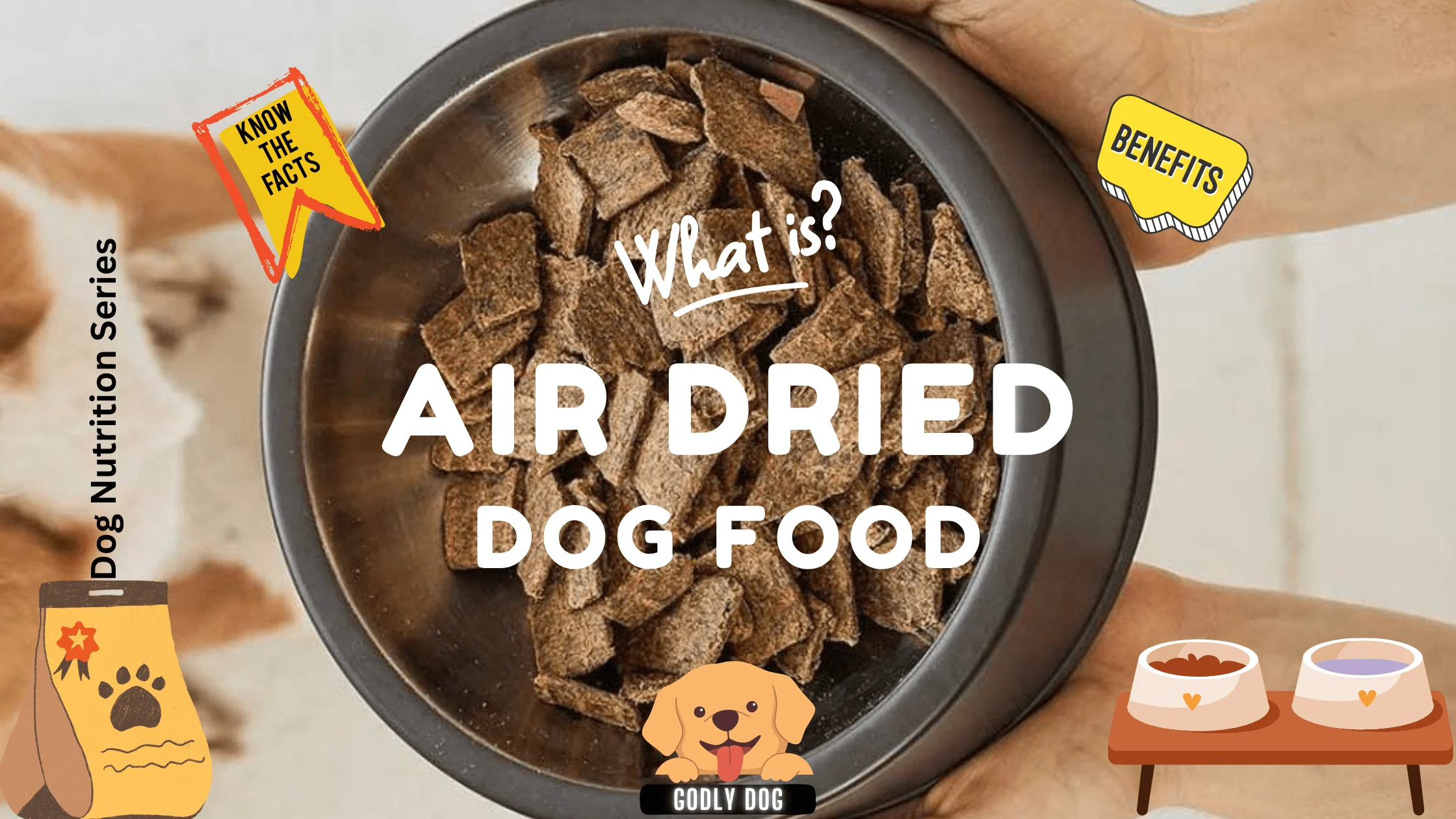
What Is Air-Dried Dog Food?
Air-dried dog food sounds fancy—and honestly, it kind of is. But don’t worry, it’s not some mysterious gourmet trend that’ll have you decoding labels like a puzzle.
At its core, air-dried dog food is made by slowly removing moisture from fresh, raw ingredients using low, gentle heat and air circulation. This process preserves the food naturally without high-temperature cooking, freezing, or adding artificial preservatives. Think of it as the halfway point between raw food and kibble—but with more nutrients and less processing.
The result? A shelf-stable, ready-to-eat dog food that still looks and smells like real food (because it is). It’s chewy, not crunchy like kibble, and you don’t need to add water or cook it. Just scoop and serve.
Air drying keeps the good stuff—like proteins, amino acids, and enzymes—more intact than traditional high-heat kibble production. That means your dog gets more nutrients in every bite. And unlike raw food, there’s no need to defrost, refrigerate, or sanitize your kitchen like a lab.
So if you’re looking for something more nutritious than kibble but way less messy than raw, air-dried food might just be your happy middle ground.
How Does It Work?
Air-drying is basically the low-and-slow method of preserving your dog’s food. It’s not cooked, not raw, and not dehydrated in the usual high-heat sense. Instead, it’s gently dried using a controlled flow of warm air over a long period—usually several hours to days depending on the ingredients.
This process slowly pulls moisture out of the food, which not only gives it a longer shelf life but also naturally inhibits the growth of bacteria, yeast, or mold—without needing artificial preservatives. It’s the same idea humans have used for centuries to preserve meat (hello, jerky), but optimized for dog nutrition.
What makes air-drying different from other food processing methods is that it doesn’t damage nutrients the way high-heat cooking can. So things like protein, healthy fats, and enzymes stay more bioavailable—aka, your dog can actually use them.
And once the moisture’s out, you’re left with soft, chewy pieces that are shelf-stable, nutrient-dense, and ready to serve. No water required, no prep involved. Just scoop and go.
Air-Dried vs Kibble vs Raw : What’s the Difference?
Trying to choose the right dog food these days feels a bit like standing in front of three different doorways—each promising “premium nutrition” but speaking totally different languages. So let’s break it down without the marketing fluff.
Air-Dried Dog Food
This one’s the slow-dried superstar. It uses low heat and air circulation to gently remove moisture while keeping nutrients mostly intact. It’s soft, chewy, shelf-stable, and ready to serve—no water or prep needed.
- 🔸 Pros: Nutrient-rich, convenient, no refrigeration, less processed
- 🔸 Cons: Can be pricey, sometimes denser/harder for picky eaters or older dogs
Kibble
The OG of convenience. Kibble is made by extruding (read: pressure-cooking) ingredients at high heat into small dry pellets. It’s affordable, everywhere, and easy to store—but often heavily processed.
- 🔸 Pros: Cheap, easy to feed and store
- 🔸 Cons: Highly processed, may contain fillers and synthetic nutrients
Raw Food
Raw diets skip the cooking entirely. It’s raw meat, organs, bones, and veggies—either homemade or commercially prepared and frozen. It’s the closest to a dog’s ancestral diet, but not the easiest on your routine.
- 🔸 Pros: High in natural nutrients, unprocessed
- 🔸 Cons: Needs freezing, safe handling, and careful nutritional balancing
So, what’s the best?
You decide. No judgment here. Just feed what works—for your dog and your life.
Is Air-Dried Dog Food Safe and Healthy?
Let’s get this out of the way—yes, air-dried dog food is generally safe and healthy, as long as it’s made by reputable manufacturers and stored properly.
The air-drying process itself is designed with safety in mind. By removing moisture slowly and using low, controlled heat, it naturally preserves the food and reduces the risk of harmful bacteria—without blasting away the nutrients like high-heat cooking does.
So, what does that mean for your dog’s health?
- 🔸 More Nutrients Intact: Because it avoids high temperatures, proteins stay more bioavailable, enzymes remain active, and naturally occurring vitamins aren’t lost in the heat.
- 🔸 Fewer Fillers and Additives: Most air-dried foods are made with whole-food ingredients you can pronounce. No artificial preservatives or mystery meat meal.
- 🔸 Easier on the Stomach: Many dogs with sensitive tummies or food allergies do better on minimally processed diets like this one.
- 🔸 No Need to Rehydrate or Refrigerate: Unlike raw or dehydrated food, air-dried meals are shelf-stable and ready to serve as-is—convenient and clean.
That said, no food is perfect for every dog. Always read the ingredient list and make sure the product is labeled as a complete and balanced diet if you’re planning to use it as your dog’s main meal.
And of course, talk to your vet if your dog has specific dietary needs, sensitivities, or underlying health issues.
Bottom line: when made right, air-dried dog food offers a safe, nutrient-dense alternative to overprocessed kibble or complicated raw diets—minus the freezer burn and guesswork.
What Are the Pros and Cons of Air-Dried Dog Food?
Like anything else in the dog food world, air-dried diets come with their perks—and a few trade-offs. Let’s look at both sides so you can make an informed decision that fits your pup and your lifestyle.
✅ Pros
- 1. Nutrient Dense: Low-and-slow drying keeps more of the original nutrients intact compared to high-heat processing. Your dog gets more real nutrition in every bite—less “added back later” stuff.
- 2. Shelf-Stable & No Freezer Needed: Unlike raw food, air-dried meals don’t need refrigeration. You can store them in the pantry and take them on trips without packing an ice chest.
- 3. Convenient & Mess-Free: No need to rehydrate, cook, or handle raw meat. Just scoop and serve. You don’t even need a spoon if you’re feeling wild.
- 4. Less Processed Than Kibble: Air-dried food avoids extreme heat and pressure, which helps retain the integrity of proteins, fats, and vitamins. That means better digestibility and fewer mystery ingredients.
- 5. Great for Picky Eaters: The texture and smell are more like real meat, which many dogs find more tempting than dry, flavorless kibble pellets.
❌ Cons
- 1. Pricey: Compared to kibble, air-dried food is an investment. You’re paying for higher-quality ingredients and slower processing methods.
- 2. Harder Texture: Some dogs, especially seniors or those with dental issues, may find the texture a bit too tough straight from the bag. You can soften it, but it takes a little extra effort.
- 3. Not Always Complete: Some air-dried products are designed as toppers, not full meals. So be sure to check that label if you’re planning to feed it as your dog’s main diet.
- 4. Smaller Brands = Less Availability: Many air-dried options come from smaller companies, which means they might be harder to find at your local pet store or take longer to ship.
Bottom line? If you’re looking for a happy medium between raw and kibble—with better nutrition, zero mess, and no freezer space required—air-dried dog food could be a solid win. Just be ready for the price tag and read the label to make sure you’re getting a complete meal.
Why Is Air-Dried Dog Food More Expensive Than Kibble?
If your first reaction to the price tag on air-dried dog food was “Wait…how much?!” — you’re not alone. Compared to kibble, it can feel like you’re buying your dog dinner at a gourmet restaurant. So what’s behind the cost?
Here’s what you’re really paying for:
- ✔️ Premium Ingredients: Air-dried foods are often made with high-quality, human-grade meats, organs, vegetables, and whole grains. You won’t find mystery meat meals, cheap fillers, or by-products. Real food costs more—simple as that.
- ✔️ Low-Heat Processing: Unlike kibble, which is blasted at high temps in minutes, air-dried food is dried gently over hours or even days. That means more equipment, time, and energy used in production—costs that naturally trickle down.
- ✔️ Small-Batch Production: Many air-dried foods come from smaller, specialized brands that focus on quality over quantity. They don’t produce millions of pounds at a time, so the economies of scale just aren’t the same.
- ✔️ Shelf Stability Without Chemicals: Because air drying removes moisture naturally, these foods stay fresh without needing artificial preservatives or added chemicals—another bonus, but also another reason they cost more to make right.
- ✔️ Nutrient Density: Air-dried dog food is concentrated, so you feed smaller portions. While the bag might cost more up front, you’re not feeding as much volume as with kibble, which can help balance the long-term cost a bit.
So yes—it’s pricier. But it’s also less processed, more nutritious, and often easier on sensitive stomachs.
Is Air-Dried Dog Food Worth the Cost?
The big question is: is it actually worth it?
That depends on what matters most to you (and your dog).
Why it can be worth it:
- 🔸 You’re paying for quality. Air-dried food typically uses premium, whole-food ingredients with minimal processing. You’re not buying a bag of filler dust and artificial vitamins—you’re getting actual meat, organs, veggies, and natural nutrients.
- 🔸 It’s concentrated. Because the moisture is removed, you’re feeding less volume for the same nutrition. That means a bag lasts longer than you might expect.
- 🔸 Convenience meets nutrition. No fridge. No thawing. No rehydrating. Just scoop and serve a meal that’s far healthier than kibble but without the raw-food hassle.
- 🔸 Digestive peace of mind. Dogs with food sensitivities or digestion issues often do better on air-dried food, which can save you money (and vet trips) in the long run.
When it might not be worth it:
- 🔸 Tight budgets. If you’re feeding a Great Dane or a whole pack, the cost adds up fast.
- 🔸 Your dog’s thriving on something else. If your pup is doing great on a more affordable, high-quality kibble or a home-cooked diet, there may not be a reason to switch.
- 🔸 You need a vet-prescribed or custom diet. Air-dried foods don’t always cater to specific medical needs or prescription formulations.
The takeaway? If you want to feed whole, minimally processed food but don’t want the prep work of raw or homemade, air-dried dog food hits a sweet spot. It’s not the cheapest option, but for many dog parents, the convenience + nutrition combo makes it money well spent.
Can Air-Dried Dog Food Be a Complete Diet? Or Just a Topper?
Short answer? It depends on the product.
Some air-dried dog foods are formulated to be complete and balanced meals, meaning they contain all the nutrients your dog needs daily—proteins, fats, fiber, vitamins, and minerals—in the right ratios. These can be fed as your dog’s full-time diet, straight from the bag, with no add-ons required.
Others are designed as toppers or mixers—basically flavor and nutrition boosters to sprinkle over kibble or mix into home-cooked meals. These aren’t nutritionally complete on their own, and feeding them solo could leave your dog lacking key nutrients over time.
So how do you know which is which?
- 🔸 Look for the phrase “complete and balanced” on the packaging.
- 🔸 Check for AAFCO compliance, which shows the food meets established nutritional standards.
- 🔸 Scan the feeding directions—if they only suggest “adding on top,” it’s likely just a topper.
If you’re planning to go all-in with air-dried as your dog’s full diet, make sure it’s a complete formula. Otherwise, it’s best to treat it like a nutritious sidekick to a balanced meal plan.
How Do You Feed Air-Dried Dog Food? As-Is or Rehydrated?
Feeding air-dried dog food is refreshingly low-maintenance—no soaking, no thawing, no measuring out broths like a canine chef. Most of the time, you can serve it straight from the bag. Yup, just scoop and serve. That’s part of the appeal.
The pieces are soft, chewy, and shelf-stable, so dogs can usually munch away with no issues. It’s especially handy when you’re rushing out the door or need to pack food for travel.
That said, you can rehydrate it if needed.
When would you want to add water?
- 🔸 If your dog is older or has dental issues and needs softer food
- 🔸 If they’re prone to dehydration and could benefit from a moisture boost
- 🔸 If you just want to enhance the smell and taste (warm water = extra irresistible)
To rehydrate: add a small amount of warm water (just enough to soften it), stir, and let it sit for a couple of minutes. No science experiment required.
But again, unless your dog needs the added moisture, most air-dried food is designed to be served dry and still be totally digestible, palatable, and nutritionally effective.
How Much Air-Dried Dog Food Should You Feed Your Dog?
Air-dried dog food is nutrient-dense and moisture-free, so you’ll likely be feeding less volume than with kibble or raw. That can throw new pet parents off at first—“Wait, that’s it?” But don’t worry, it’s concentrated on purpose.
Feeding amounts depend on your dog’s size, age, activity level, and whether the food is being served as a full meal or just a topper.
Here’s a rough daily guideline (before any rehydration, if you choose to soften it):
- 5–10 lbs: ½ to 1 cup
- 10–25 lbs: 1 to 2 cups
- 25–50 lbs: 2 to 3½ cups
- 50–75 lbs: 3½ to 5 cups
- 75+ lbs: 5+ cups (you may want to consider a subscription at this point)
These are general ranges—always check the label of the specific product and monitor your dog’s weight and energy. Some dogs need more. Others, less. The bowl will tell the story.
Pro tip: Because air-dried food is more calorie-dense, overfeeding can sneak up on you. Start small, watch your dog, and adjust as needed.
How Do You Transition to Air-Dried Dog Food Without Upsetting Their Stomach?
If there’s one universal truth in the dog world, it’s this: changing your dog’s food too fast is a recipe for a messy regret.
Even if you’re switching to a healthier option like air-dried food, your dog’s gut needs a little time to catch up. That means a slow, gradual transition is key.
Here’s the go-slow method:
- Days 1–2: 75% old food, 25% air-dried
- Days 3–4: 50% old food, 50% air-dried
- Days 5–6: 25% old food, 75% air-dried
- Day 7 and beyond: 100% air-dried
If your dog has a sensitive stomach, extend the transition to 10–14 days. Watch for signs like gas, loose stool, or sudden loss of appetite. If things get wonky, pause and hold the ratio for a few more days before increasing.
Bonus tips:
- 🔸 Stick to your usual feeding schedule
- 🔸 Don’t mix in too many treats or extras during the transition
- 🔸 Always keep fresh water available (especially if you’re feeding it dry)
Once your dog adjusts, chances are they’ll dig in without hesitation. And their tummy—and your floors—will thank you for taking it slow!

Srijana is the founder of Godly Dog & mum to 7 furkids, including 3 rescued Indies. A lifelong advocate for strays, she’s spent 12+ years on hands-on dog raising, community dog care, & rescue work. She’s studied canine psychology & nutrition, blending that formal knowledge with lived experience to share honest, practical advice for caregivers who believe, like her, that these godly souls deserve no less than the unconditional love they offer.
You May Also Like
How to Read Dog Food Labels Like a Pro
Ever feel like decoding a dog food label requires a PhD? You’re not alone. Pet food companies know how to make anything sound healthy with [...]
Are Dogs Really Colorblind or Can They See Colors? Debunking Myths about Dog Vision
Have you ever wondered if your dog sees the world in vibrant hues like you do, or if their world is painted in shades of [...]